
- Most people walk within a day of surgery with a frame or crutches
- Follow your surgeon's specific movement advice, which depends on the approach used
- Strengthening the hip muscles is central to a good long-term result
- Daily activities often return within 6 to 12 weeks; full recovery takes up to a year
- Sudden severe pain with a shortened or turned leg needs 999 or A&E
Before surgery
If you are waiting for a hip replacement, the time can be used well. Building strength in the hip and thigh muscles, keeping as active as your hip allows and practising the exercises you will do afterwards usually makes the early weeks easier. Our guide to hip osteoarthritis covers exercise that helps while you wait.
At home, prepare a firm chair with arms that is not too low, put everyday items at waist height, and consider a raised toilet seat, a long-handled shoe horn and a grabber, as advised by your hospital team.
Many hospitals run a joint school or pre-operative session. If yours does, go. Knowing what to expect on the day, how the walking aids work and what the first exercises feel like takes a lot of the worry out of the first week.
The first weeks
Most people are helped up to walk on the day of surgery or the next day, using a frame or crutches. The hospital physio team will teach you how to walk safely, manage stairs and get in and out of bed and the car. Pain relief as prescribed helps you keep moving and do your exercises.
Some surgeons ask patients to follow hip precautions for a period, such as avoiding bending the hip beyond 90 degrees, crossing the legs, or twisting on the operated leg, to reduce the risk of dislocation. Others use fewer restrictions depending on the surgical approach. Follow the specific advice you are given, and ask if anything is unclear.
- Ankle pumps, 10 to 20 every hour while resting, to help circulation.
- Buttock squeezes and quad sets, holding for 5 seconds, 10 times, several times a day.
- Heel slides within your permitted range, 10 reps.
- Standing exercises holding a worktop: leg out to the side, leg back, and knee lifts within limits, 10 each.
- Short, regular walks, gradually increasing the distance.
Weeks 6 to 12: building strength and confidence
Once the early healing phase is over and your team is happy, rehab focuses on building hip and thigh strength, balance and walking quality. Many people progress from crutches to a stick and then no aid during this period. A limp that hangs on is usually due to weak hip muscles on the side of the operation, and targeted strengthening helps.
Exercises often include glute bridges, sit to stand, step-ups, side-lying leg raises, balance work and, later, gym exercises such as leg press and cable hip work. An exercise bike, set with the seat high at first, is a useful tool once your team allows it.
Progress usually comes in small steps: a longer walk, one flight of stairs without the rail, getting out of a chair without pushing on the arms. Noticing these helps on the days when the hip feels stiff or tired.
Balance deserves attention too. Standing on one leg near a worktop, walking heel to toe and stepping in different directions help rebuild the confidence and control that reduce the risk of falls, which matters for protecting the new joint.
Getting back to normal life
- Driving: commonly around 6 weeks, once you can control the car safely including an emergency stop, but check with your surgeon and insurer.
- Work: desk jobs often from around 6 weeks; physical jobs usually take longer.
- Walking, swimming (once the wound has healed) and cycling are excellent long-term activities.
- Strength training in the gym is encouraged and can be progressed over months.
- Golf, doubles tennis and similar activities are often possible after a few months, with your surgeon's agreement.
- Running and high-impact sport: discuss with your surgeon, as advice varies.
Keeping strong after a hip replacement helps protect the joint and supports bone health. Our guide to starting the gym over 50 is a good place to begin once your rehab is well under way.
How long recovery takes
Many people are managing daily activities comfortably within 6 to 12 weeks, and improvements in strength, walking and stamina can continue for up to a year. Some aching around the hip and thigh is normal for a few months, especially after doing more than usual. If your limp persists or progress stalls, a targeted strengthening plan usually helps.
Everyone recovers at a slightly different pace. Age, fitness before surgery, other health conditions and how consistently you do your exercises all make a difference. Comparing yourself with a neighbour who had the same operation is rarely helpful; comparing yourself with where you were a month ago is.
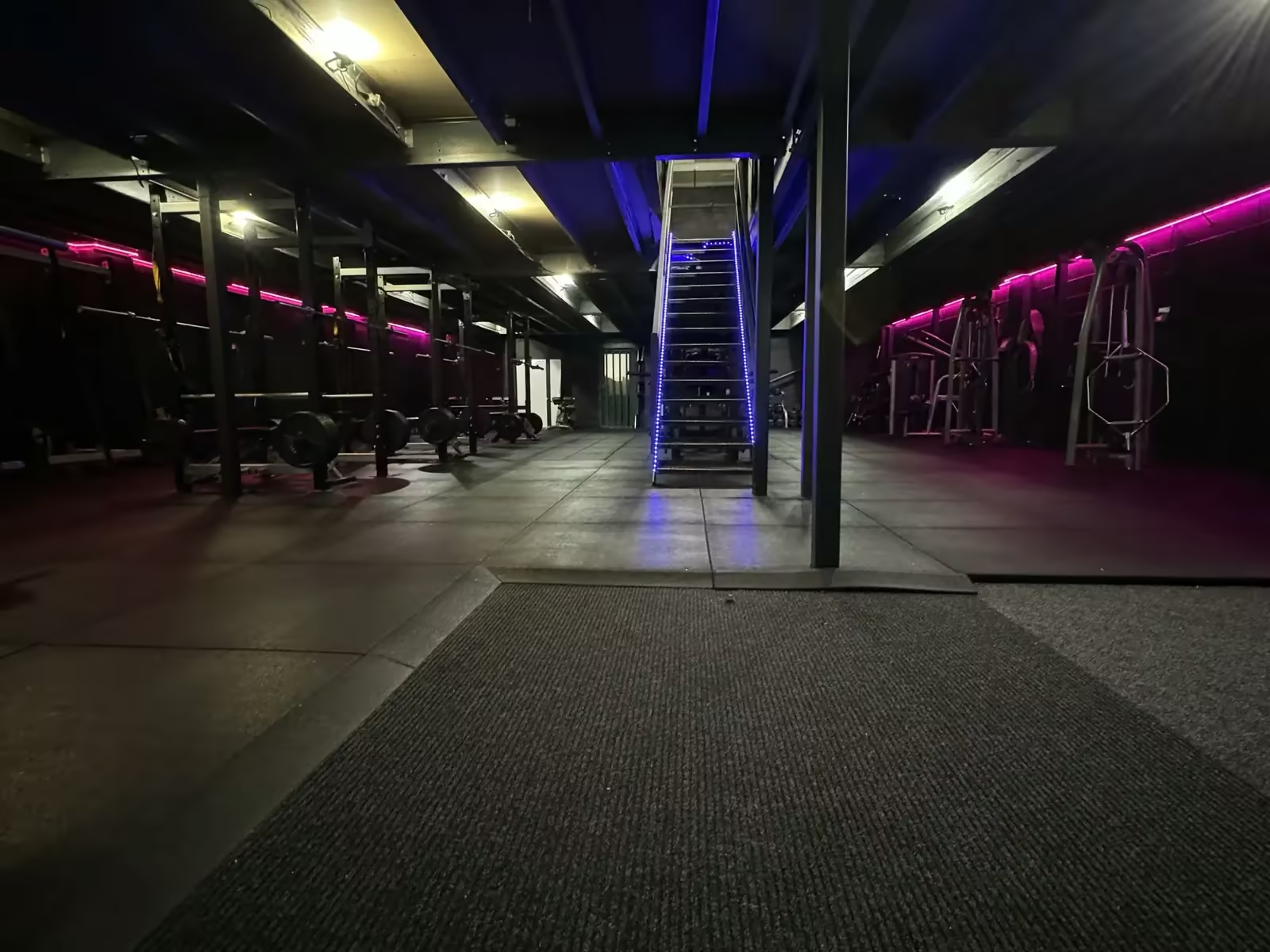
The on-site physio at Lycan Strength offers pre and post-operative rehab, with therapeutic exercise and home exercise programmes as part of treatment, and members get 20% off. You can book a physio appointment online.
When to get urgent help
Follow your hospital team's advice and use the contact details they give you. In general:
- Call 999 or go to A&E if you have sudden severe hip pain, cannot put weight on the leg, or the leg looks shorter or turned in or out, especially after a twist or fall, as the hip may have dislocated.
- Call 999 for chest pain, sudden breathlessness or coughing up blood.
- Contact your surgical team or NHS 111 urgently for a swollen, warm, painful calf.
- Contact your surgical team urgently if the wound becomes increasingly red, hot or swollen, leaks fluid or pus, or you have a fever or feel unwell.
- Contact your surgical team for new numbness or weakness in the leg, or pain that is steadily increasing.
Questions
How long after a hip replacement can I walk normally?
Many people walk without aids within 6 to 12 weeks, although it varies. Strengthening the hip muscles helps get rid of a lingering limp.
Do I need to follow hip precautions?
Follow your surgeon's specific advice. Some approaches need precautions for a period, others use fewer restrictions.
Can I go to the gym after a hip replacement?
Yes, once your team is happy. Strength training helps walking, balance and long-term function, and can be built up gradually.
This page is general information, not a diagnosis. If you are worried about a symptom, speak to a physiotherapist, your GP or NHS 111.
